



How can CMF design turn a fixed roof canopy into a more competitive product line?
For HBR, Techic supported a fast CMF development sprint for a children’s mobility product roof canopy, helping improve product value, visual recognition and material expression before the Double 11 sales campaign.

Product power had to be upgraded without changing the main form
The product structure was already defined. The key question was how to use CMF design, roof canopy fabric and surface color strategy to create a more recognizable and competitive product line within three months.
Fixed product form
The upgrade needed to happen through CMF rather than a full structural redesign.
Tight development window
The project had to support a three-month sprint before the Double 11 product push.
Need for product-line identity
The roof canopy needed a clearer material and color language to improve shelf impact and brand recognition.
A material-driven CMF sprint from rendering to sample direction
Techic combined CMF concept renderings, painted sample boards and roof canopy fabric directions to help the client quickly evaluate visual impact, material feasibility and product-line differentiation. After delivery, HBR used its own supply chain to continue sample making and prototype development.
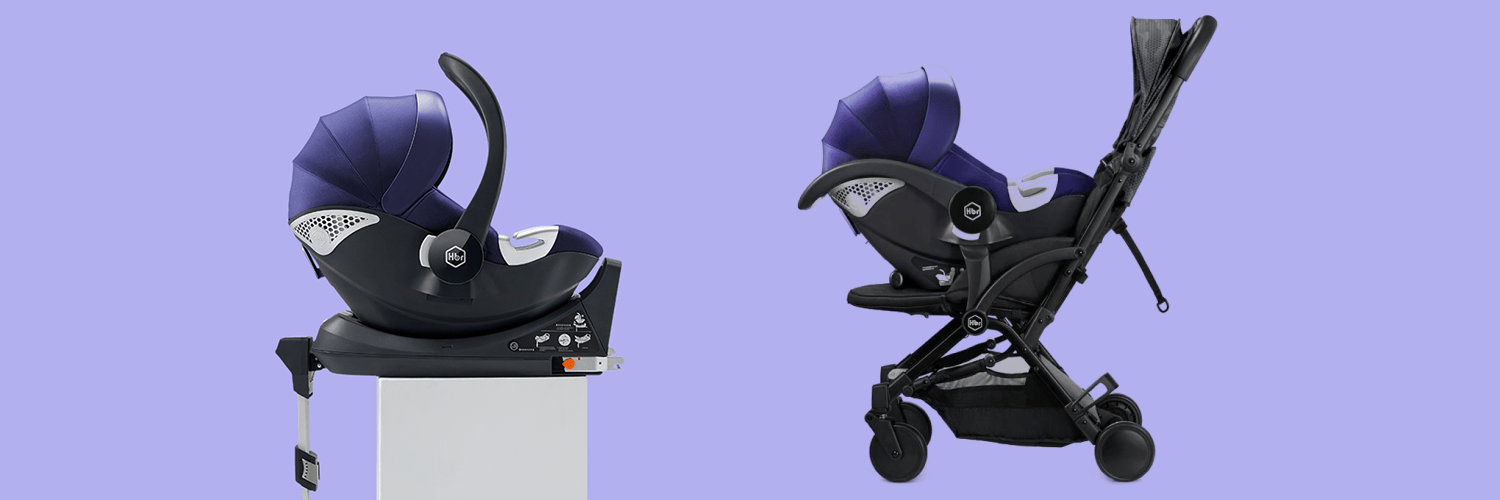
What did this roof canopy CMF design solve?
The project focused on product value enhancement, high-recognition product-line design and fast material decision-making for a children’s mobility product.
How do you improve product value when the shape cannot change?
By using CMF as a product enhancement tool. The roof canopy color, fabric texture and painted surface samples created a more refined product impression without changing the main product architecture.
How can roof canopy fabric make a children’s product more recognizable?
Material and color were treated as a visual identity system. The canopy fabric direction helped the product line build stronger recognition in a competitive baby stroller and children’s mobility market.
How can CMF support fast product development before Double 11?
The project used a sprint-based development process. Renderings, painted boards and material references helped accelerate internal review, supplier communication and sample-making decisions.
From CMF concept to material sample direction
Techic delivered a compact but practical CMF package that supported both visual decision-making and supplier-side prototyping.
CMF concept renderings
Visual proposals for roof canopy design, product color strategy and surface expression.
Painted sample boards
Color and surface references for fast evaluation, comparison and development alignment.
Roof canopy material direction
Fabric and material suggestions for canopy appearance, texture and supplier sampling.
Product power enhancement
A clearer product-line identity and stronger market-facing visual competitiveness.
A faster path from design intent to supplier sampling
The case shows how a material-driven CMF process can help children’s product brands improve product value, create a more recognizable product line and support a fast commercial launch cycle.
Frequently asked questions about roof canopy CMF design
Can CMF design improve a baby stroller or children’s mobility product without changing its structure?
Yes. Color, material, finish, canopy fabric and surface details can significantly improve perceived value, product recognition and line-up consistency.
What is included in a roof canopy CMF development project?
Typical outputs include CMF renderings, color strategy, painted sample boards, roof fabric direction, material references and supplier sampling guidance.