



How can CMF open future product possibilities for an electric vehicle?
Techic supported the Leapmotor C10 program with a forward-looking CMF concept solution, exploring innovative materials, translucent interior surfaces and hand-rendered visual scenarios for future electric vehicle product development.
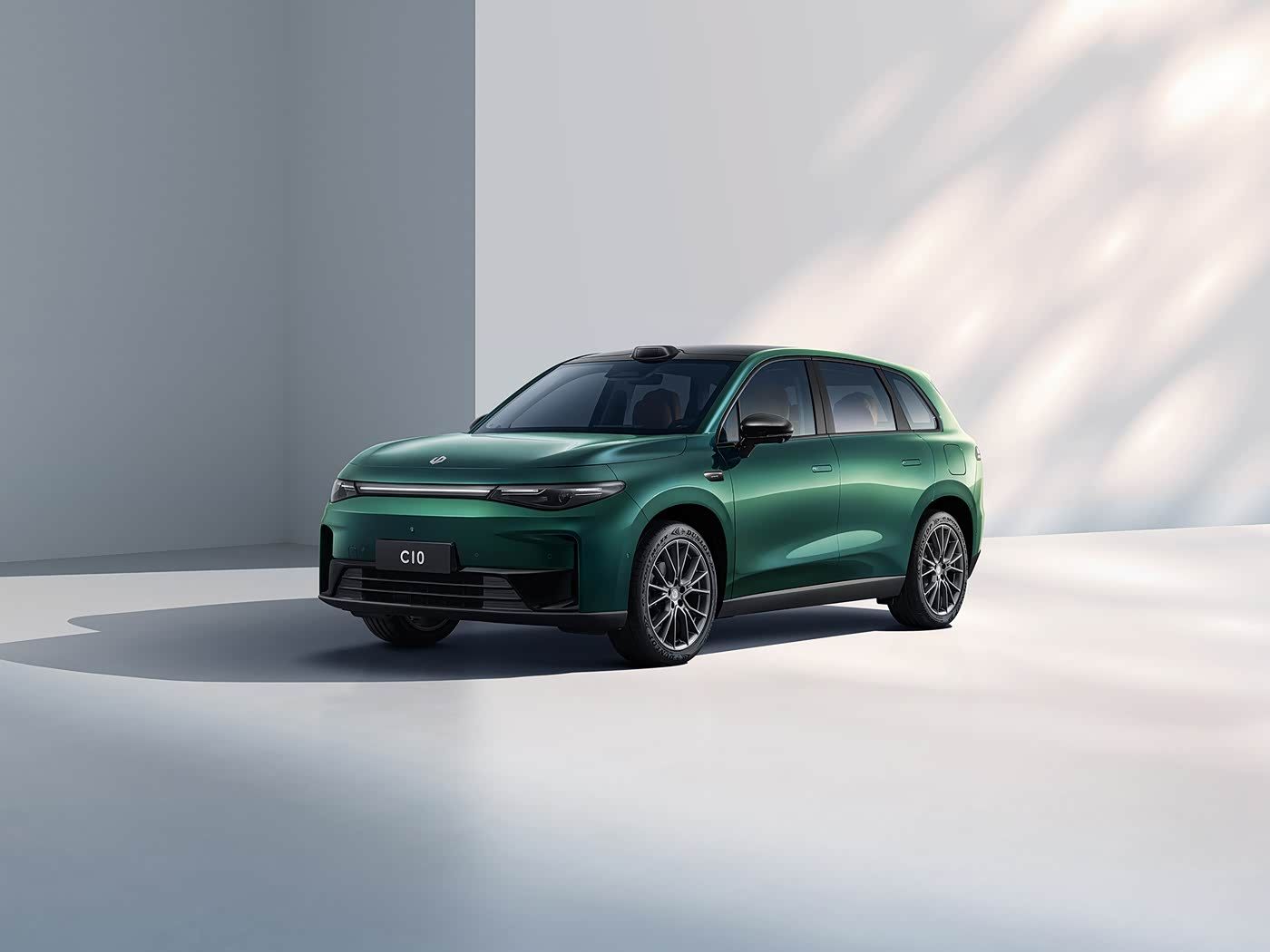
Leapmotor needed more than a feasible CMF proposal
The project focused on the Leapmotor C10, a value-oriented electric vehicle positioned around the 100,000 RMB segment. The challenge was not only to define colors, materials and finishes for a specific model, but to use CMF as an early-stage design tool that could inspire future product innovation, higher-end market opportunities and three-to-five-year material directions.
CMF and styling in parallel
The CMF work ran alongside vehicle styling, helping material concepts influence form, surface and interior atmosphere from an early stage.
Future material preview
Many directions were intentionally forward-looking. Around 80% of the concepts were not designed for immediate mass production, but for future product exploration.
Hand-rendered visualization
Because the styling direction was once redefined during the project, a large number of hand-rendered CMF effect drawings were created to support fast exploration.
What if CMF could help define the future interior experience before production feasibility?
This project used CMF as a design rehearsal for future electric vehicle interiors. Instead of limiting the proposal to near-term production materials, Techic explored how transparency, semi-matte surfaces, soft visual depth and advanced material expression could create new product imagination for the Leapmotor C10 and future high-end vehicle lines.
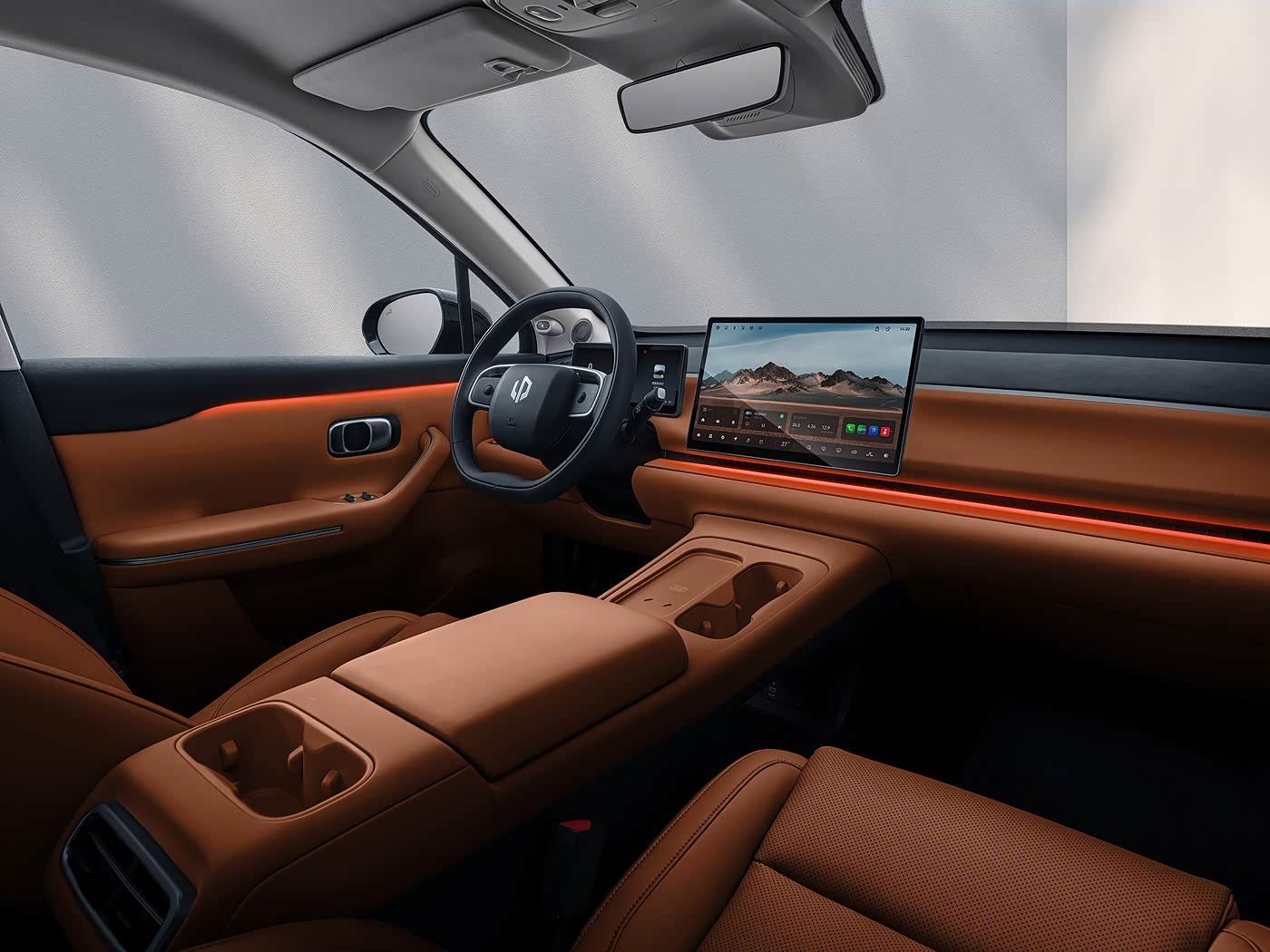
From material imagination to product innovation
A key concept explored a semi-matte translucent door panel. The hand-rendered effect was visually striking, using transparency, soft reflection and surface depth to create a new interior CMF language. Even though many directions had limited short-term production space, they provided valuable references for future product planning, premium EV interior design and advanced CMF material strategy.
Why use hand-rendered CMF effect drawings in an automotive design project?
Hand-rendered CMF visuals can communicate material atmosphere, transparency, surface finish and emotional impact faster than words or material lists. In the C10 project, around 70% of the work focused on visual exploration, helping the client evaluate future-facing material ideas before committing to production decisions.
CMF exploration as a future product development tool
Future CMF strategy
Explore advanced color, material and finish directions for electric vehicle interiors beyond immediate production limits.
Translucent surface concept
Use semi-matte transparency and surface depth to imagine a new door panel material experience.
Visual decision support
Create hand-rendered CMF effect drawings to help the team compare ideas quickly during styling changes.
Premium market inspiration
Provide new CMF ideas for future high-end product lines and longer-term electric vehicle innovation.
What Techic delivered
The project combined future-facing automotive CMF research, advanced material concept development and hand-rendered visualization for the Leapmotor C10 vehicle program.
Forward-looking CMF development
Future CMF concept directions for electric vehicle interiors, advanced material expression and premium product exploration.
Hand-rendered effect drawings
Visual proposals showing semi-matte translucent door panels, future material surfaces and interior CMF scenarios.
Product innovation references
New material-driven ideas for future vehicle programs, higher-end market development and three-to-five-year product planning.
Frequently asked questions about automotive CMF concept development
Why should CMF design start before the vehicle styling is fully finalized?
Early CMF involvement helps material, color, texture, transparency and surface finish become part of the product concept, rather than only a final decoration after styling is fixed.
Can non-production CMF concepts still create value?
Yes. Future-facing CMF concepts can help automotive teams test new product languages, explore premium market opportunities and build a material roadmap for three to five years ahead.
What is the role of hand-rendered CMF visualization?
Hand-rendered CMF visualization makes abstract material ideas visible. It is especially useful when teams need to compare many directions quickly during concept development or styling changes.
How can translucent materials improve electric vehicle interior design?
Translucent materials can create visual depth, softer light interaction and a more advanced surface experience, helping EV interiors move beyond conventional plastic, leather or decorative trim solutions.