



How can CMF strategy help a Chinese bus brand compete in global markets?
Techic supported Yutong Bus in a global exterior CMF strategy project, helping translate regional aesthetics, B2B market logic, export strategy and large-scale paint development into a practical product competitiveness system.

Commercial vehicles follow a different design logic
Buses and coaches are not developed like passenger cars. They are highly customized B2B products, shaped by city image, fleet operation, regional regulations, cultural preference and public-use scenarios. A color that works in one market may become unsuitable in another.
Export-oriented product strategy
Yutong needed exterior CMF decisions that could support overseas growth and strengthen the competitiveness of factory-original vehicle finishes.
Regional aesthetics and taboos
The project studied five continents and seven major regions, covering local culture, architecture, social image, color preference and colors to avoid.
Large-scale exterior paint evaluation
Because a bus has a massive body surface, paint colors had to be evaluated on large door-panel-scale samples, not only on small color chips.
How can original factory finishes become globally competitive?
For Yutong, the challenge was not simply to create attractive bus colors. The goal was to help factory-original exterior finishes carry stronger product power, better regional fit and clearer brand recognition when competing with global commercial vehicle brands.
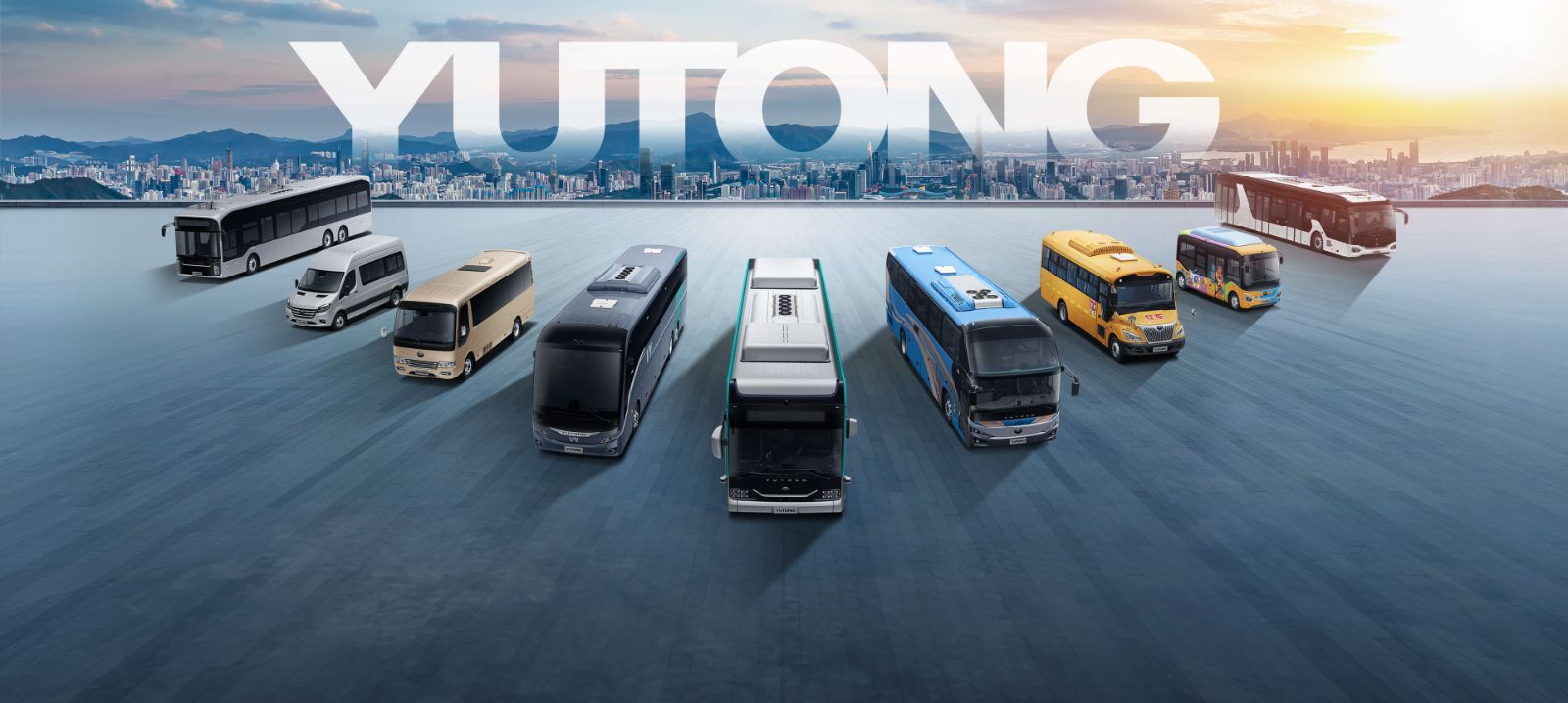
Turning export strategy into exterior CMF decisions
Techic helped connect macro export strategy with practical bus and coach CMF development. The project translated regional research into recommended colors, non-recommended colors, brand color directions and physical paint samples for real product evaluation.
Why does a bus need market-specific color strategy?
A bus is part of public space. Its exterior color must respond to city image, government or fleet buyer expectations, passenger perception, safety, regional aesthetics and local cultural meaning. For global commercial vehicle export, CMF becomes a business strategy tool, not only a design detail.
From regional insight to full-scale exterior paint development
Regional Research
Study visual culture, local aesthetics, public transport image, user preference and regional color taboos across global export markets.
Color Strategy
Build recommended and non-recommended color directions for buses and coaches according to different regional market contexts.
Paint Development
Develop 96 exterior paint samples, including conservative commercial colors and more progressive brand color directions.
Full-Scale Evaluation
Apply colors on large door-panel-scale samples to evaluate gloss, depth, metallic effect and visual weight on a real bus body scale.
What Techic delivered for Yutong
The final outputs combined strategic research, regional color logic, material development and visualization support for global commercial vehicle export.
Global export strategy report
A research report covering five continents and seven major regions, including regional aesthetics, user profiles, recommended colors and colors to avoid.
96 exterior paint samples
Exterior paint development for buses and coaches, presented on large door-panel-scale samples rather than only small paint chips.
Brand color directions
Multiple brand color directions, balancing stable commercial colors with more forward-looking and expressive market-facing options.
Exterior visualization
Bus and coach exterior renderings to support internal review, CMF decision-making and market-specific color communication.
Frequently asked questions about bus exterior CMF strategy
Why is CMF important for commercial vehicle export?
CMF helps commercial vehicle brands improve product recognition, perceived quality, regional fit and market acceptance, especially when buses and coaches enter different countries and public-use environments.
How is bus CMF different from passenger car CMF?
Bus CMF is more closely connected to B2B purchasing, fleet operation, city image, regional regulation, public perception and long-term durability. It needs to be strategic, practical and market-specific.
Why do buses need large-scale paint samples?
A bus has a much larger exterior surface than a passenger car. Large samples help evaluate color depth, gloss, metallic effect and visual weight more accurately than small color chips.
What does a global bus color strategy include?
It includes regional aesthetic research, user profiles, cultural taboos, recommended color directions, non-recommended colors, brand color systems, physical paint samples and application visualization.