



For robotics and smart hardware teams, TECHIC connects product experience goals, material resources, CMFP development, prototyping, and supply chain transformation, helping intelligent product experiences move from concept into tangible, verifiable, and producible reality.
面向机器人与智能硬件产品团队,科美创研将产品体验目标、材料资源、CMFP 设计开发、样件验证与供应链转化路径连接起来,加速智能化体验从概念走向可触摸、可验证、可生产的真实产品进程。
Why do many product innovations stop after the rendering?
One of the most regrettable tensions in smart hardware innovation is that many promising ideas already exist, but cannot be realized in the physical world. In a rendering, the product can look complete: the form is resolved, the material appears refined, the lighting is precise, and the interaction seems natural. But once the project enters physical development, many of these assumptions are immediately tested. A soft and approachable surface on screen may feel rigid in a prototype. A subtle translucent structure may be limited by thickness, assembly, and internal architecture. A natural touch response may become a series of unresolved questions between material, sensor, and control module.
智能硬件创新里最令人可惜的矛盾,是美好的想法已经出现了,却没有办法被实现在真实世界。在渲染图里,产品看起来已经成立:形态完整,材质高级,灯光准确,交互也似乎顺理成章。但一旦进入实物开发,很多问题会立刻暴露出来。屏幕上柔软亲近的表面,做成样件后可能触感生硬;效果图里若隐若现的透光结构,装进真实产品后可能被厚度、结构和装配方式限制;看起来很自然的触摸反馈,到了材料、传感器和控制模块之间,可能变成一连串无法闭合的工程问题。
For many robotics and smart hardware teams, the missing piece is not imagination, nor the ability to envision future experiences. What often stops innovation is a narrow material choice, homogeneous supplier resources, delayed prototype validation, and production risks that only become visible too late.
对很多机器人与智能硬件产品团队来说,缺少的并不是想象力,也不是对未来体验的判断。真正让创新停下来的,常常是材料选择过窄、供应资源过于同质、样件验证不够早,以及生产转化路径在后期才暴露问题。
Sometimes, even at the concept design stage, a product idea worth exploring can be abandoned early because of one sentence: “This cannot be realized.”
甚至在方案设计阶段,一个原本值得继续探索的产品创新概念,就可能因为一句“这个实现不了”,提前流产。
A product idea that cannot become something touchable, assemblable, verifiable, and producible is still only an idea.
一个产品想法如果不能被做成可触摸、可装配、可验证、可生产的实物,它就仍然只是想法。
Limited materials, limited product experience
At the early stage of a smart hardware project, teams often ask whether the product is intelligent enough, novel enough, or futuristic enough. But the moment when users form trust is usually much more concrete. What does the surface feel like when the hand first touches it? Does a robot feel safe when it approaches the body? Does light express status naturally, or does it feel like decoration? Can the material remain stable, durable, and consistent after repeated use?
很多智能硬件项目在早期都会讨论类似的问题:产品是否足够智能,功能是否足够新,交互是否足够有未来感。但用户真正建立判断的时刻,往往更具体。手第一次碰到产品时,它是否让人愿意接近?机器人靠近身体时,它的表面是否让人安心?设备亮起时,光是否像一种自然的状态表达,而不是外加的装饰?产品被反复使用时,材料是否还能保持稳定、耐久和一致?
Intelligent experience does not live only in algorithms, screens, and electronic modules. It eventually lands on the surfaces that people see, touch, approach, hold, and live with. If materials can only rotate within a small set of familiar options, product experience will be pulled back into sameness by default processes. A strong concept may become another plastic shell, another generic soft wrap, or another technological surface without a memorable tactile experience.
智能化体验不是只存在于算法、屏幕和电子模块里。它最终会落在用户能看到、摸到、靠近、握持和长期使用的表面上。如果材料只能在少数成熟选项里打转,产品体验就很容易被默认工艺拉回同质化。再好的概念,也可能变成另一件塑料外壳、另一层普通软包、另一种看似科技但触感体验大打折扣的表面。
This is why materials should not be treated as a late-stage styling decision. They need to enter product definition earlier, because they help determine whether an experience is credible, buildable, and producible.
这也是为什么材料不应该只在设计后期被当作“外观选择”。它需要更早进入产品定义,成为判断产品体验是否可信、是否可做、是否能被生产的关键条件。
4 bottlenecks along innovation
In real projects, product innovation often encounter several recurring bottlenecks when moving from concept to physical development. In TECHIC’s collaborations with robotics clients, we have seen a similar pattern: teams are not short of ideas about future product experiences. The real challenge is how to translate those ideas into development tasks that can be supported by materials, structure, process, and supply chain.
在真实项目中,智能化体验从概念走向实物,通常会遇到几类反复出现的卡点。在科美已经与机器人产品团队合作的项目中,我们也看到类似的问题:团队并不缺少对未来产品体验的设想,真正困难的是如何把这些设想拆解成可以被材料、结构、工艺和供应链共同支撑的开发任务。
First, the material choices are often too narrow. Teams want softer, more approachable, and more recognizable product surfaces, but available supplier resources may still concentrate on conventional plastics, metals, coatings, soft wraps, or a limited range of textiles. 第一,是材料选择太窄。产品团队希望做出更柔软、更亲近、更有识别度的表面,但能接触到的供应资源仍然集中在常规塑料、金属、喷涂、软包或少数面料上。材料的选择范围,直接限制了产品体验的想象范围。 | Second, a single supplier rarely solves the whole experience. A sensor supplier handles sensing. A textile supplier handles weaving. A material supplier provides material. A factory focuses on process. But what users experience is one integrated surface, not a set of disconnected technical nodes. 第二,是单点供应商很难解决完整问题。传感器供应商解决感知,面料供应商解决织造,材料供应商提供材料,加工厂关注工艺。但用户接触到的是一个整体表面,而不是分散的技术节点。 |
Third, prototypes often arrive too late. If a concept is not translated early into material samples, local modules, or interactive demos, the team cannot judge whether it feels right, fits into the structure, can be understood by users, or deserves the next round of engineering investment. 第三,是样件来得太晚。很多概念在渲染图里看起来成立,但没有尽早变成材料小样、局部模块或交互 Demo,团队就无法判断它是否摸起来正确、装得进去、能被用户理解 | Fourth, production constraints are often postponed. When cost, durability, assembly, testing, yield, or supply chain stability is discovered only after the design concept has been confirmed, earlier investment can be forced back to the beginning. 第四,是生产限制被后置。等到设计概念已经被确认,才发现成本、耐久、装配、测试、良率或供应链稳定性无法支撑,前期投入就会被迫回头。 |
TECHIC helps product teams open up material choices
TECHIC works at the intersection of design and material engineering. We are not only focused on whether a material is simply new, but on how product requirements can be translated into the right material, surface, tactility, process, and supply chain pathway. Since 2019, TECHIC has worked with more than 70 global brands across different stages from concept development to production transformation. This experience allows us to see that the value of material innovation is not only about early imagination, but also about whether it can support stable prototyping, testing, and production judgment later on.
科美创研长期工作在设计与材料工程的交叉位置。我们关注的不是某一种材料是否足够新,而是一个产品要求如何被翻译成合适的材料、表面、触感、工艺和供应链方案。自 2019 年以来,科美创研已与 70+ 全球品牌合作,参与从概念开发到生产转化的不同阶段。这样的经验让我们更清楚地看到:材料创新的价值,不只在于前期是否足够有想象力,也在于后期是否能够支撑稳定的样件验证和量产判断。
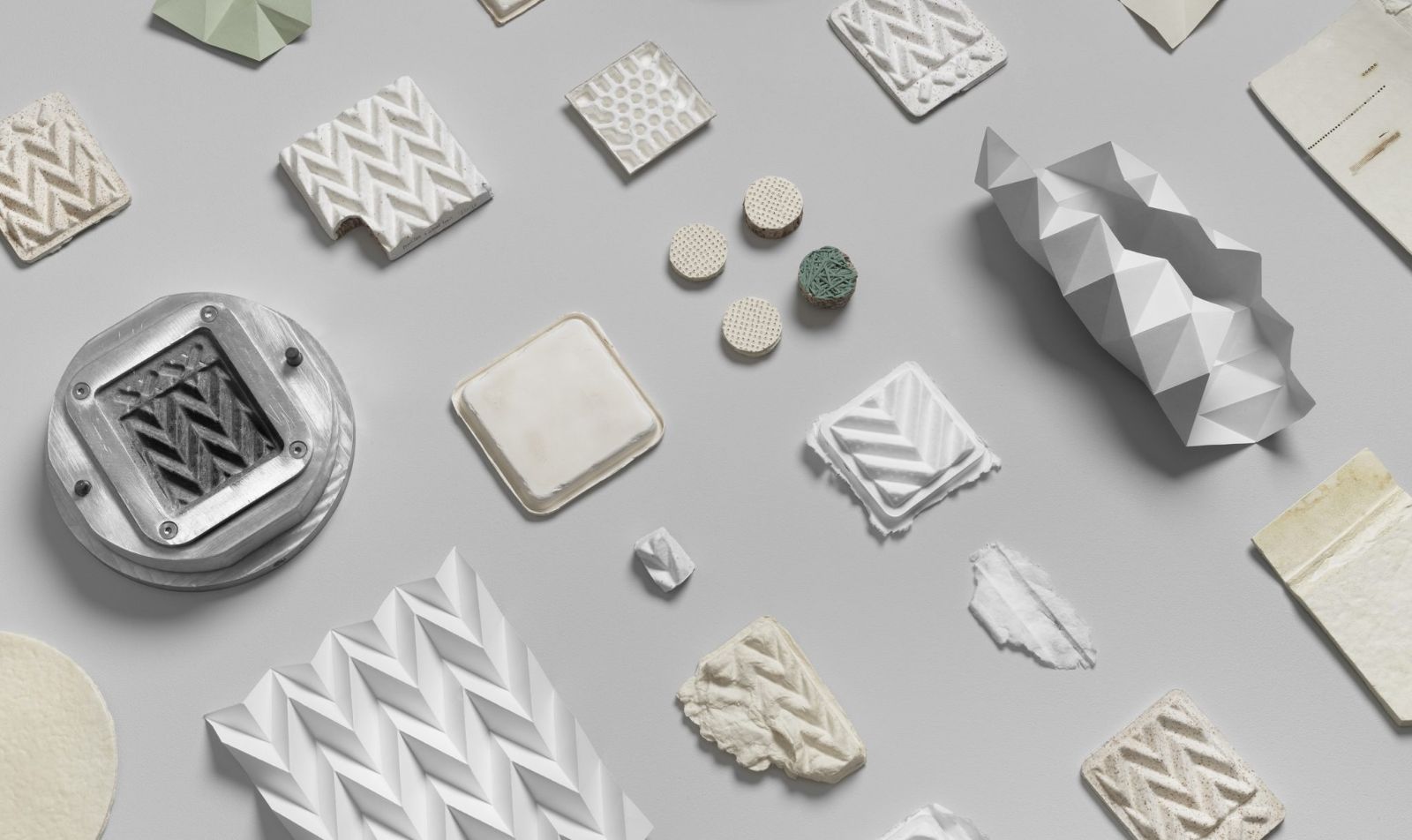
This translation starts with the product scenario. We do not begin with “what materials do we have,” but with where users will touch the product, what feeling the product needs to communicate, what functions the surface should carry, and what memory the brand wants to leave. Only then do materials have a clear basis for selection. Hard coatings, soft-touch coatings, silicone, knit textiles, smart textiles, translucent structures, light-emitting materials, flexible sensing, conductive materials, and automotive-grade material sources are not presented as a list of options. They are filtered through the goals of a specific product. In particular, material and process experience from the automotive industry helps teams consider durability, stability, testing, and production consistency earlier in the development process.
这种翻译,首先来自对产品场景的理解。它不是从“我们有什么材料”开始,而是从“用户会在哪里接触它、产品需要传递什么感受、表面需要承担什么功能、品牌希望留下什么记忆”开始。之后,材料才有判断标准。硬质喷涂、软触涂层、硅胶、针织、智能纺织、透光结构、发光材料、柔性传感、导电材料、车规级材料源,它们不是被简单陈列出来的选项,而是被放进具体产品目标里重新筛选。尤其是来自汽车产业的材料与工艺经验,能够帮助团队更早意识到耐久、稳定性、测试和量产一致性这些真实开发条件。
Start from the human experience, not from technical terminology
For robotics and smart hardware products, the surface is becoming an interface. It does more than protect internal structure or complete the product form. It can carry touch, pressure, proximity, light, status expression, emotional feedback, and brand recognition. But whether these capabilities are meaningful cannot be judged by technical terminology alone. They need to be understood through the way people encounter and use the product.
对机器人和智能硬件来说,产品表面正在变成一种界面。它不只是保护内部结构,也不只是让产品看起来完整。它可能承担触摸、压力、靠近、光感、状态表达、情绪反馈和品牌识别。但这些能力是否成立,不能只看技术名词。它需要回到人与产品的交互体验场景中判断。
At what distance will users first see it? Will they touch it with a fingertip, hold it in the hand, or approach it with the body? Is the contact moment brief or continuous? Should the product feel soft, precise, calm, or responsive? These questions may seem slower than choosing a technology route, but they prevent the project from being led by isolated technologies too early. Only when the use context is clear can material, sensing, light, structure, and production work toward the same experience goal.
用户会在什么距离看到它?会用手指轻触、手掌握持,还是身体靠近?接触是短暂的还是长期的?产品需要显得柔和,还是精密?表面应该给出明确反馈,还是更安静地融入使用过程?这些问题看起来比技术路线更慢,但它们能帮助团队避免一开始就被单点技术牵着走。只有先理解真实使用情境,材料、传感、光效、结构和生产方式才能围绕同一个体验目标展开。
Towards successful product realization
The realization of product innovation does not usually happen inside one single supplier. It requires product, design, material, structure, electronics, supply chain, and manufacturing teams to work together. TECHIC’s role is to build a clearer transformation path between these distributed capabilities. For robotics, smart hardware, wearables, and next-generation interactive products, TECHIC helps teams gain several forms of certainty earlier in the development process.
智能化体验产品的落地,通常不会只发生在一个供应商内部。它需要产品、设计、材料、结构、电子、供应链和制造团队共同参与。科美创研的价值,是在这些分散能力之间建立一条更清晰的转化路径。面向机器人、智能硬件、可穿戴设备和新一代交互产品,科美创研希望帮助客户在早期获得几种更关键的确定性。
# Clearer experience direction
We help teams define where intelligent experience should happen, which user scenarios it should serve, and what brand perception it should create.
我们帮助团队判断智能化体验应该发生在哪些部位、服务哪些用户场景、形成什么品牌感知,而不是停留在“更高级”“更未来”的模糊表达中。
# Broader material possibilities
We help teams explore options beyond default supplier resources, including coatings, silicone, textiles, smart textiles, translucent structures, light-emitting materials, flexible sensing, conductive materials, and automotive-grade material sources.
我们基于硬质喷涂、软触涂层、硅胶、针织、智能纺织、透光结构、发光材料、柔性传感、导电材料和车规级材料源,打开默认供应资源之外的可能性。
# Earlier prototype judgment
We turn ideas into material samples, local modules, appearance prototypes, or interactive demos, so teams can evaluate them through touch, assembly, and review.
我们将创意推进为材料小样、局部模块、外观样件或交互 Demo,让团队在真实触摸、装配和评审中判断方向是否值得继续。
# More integrated collaboration
We coordinate material, textile, sensing, processing, structure, and production resources around one product goal.
我们协调材料、纺织、传感、加工、结构和生产相关资源,让不同供应能力围绕同一个产品目标协作。
# More production-aware decisions
With automotive-grade material experience and supply chain judgment, we help identify process, cost, testing, pilot validation, and production risks earlier.
借助车规级材料经验和供应链判断,我们在早期识别工艺、成本、测试、小批量验证和后续生产中的关键限制,减少概念后期被推翻的风险。
Let product innovation stop being limited
The opportunity for intelligent product experiences is emerging, but it will not automatically move from the lab, the exhibition sample, or the rendering into a real product. It needs to be defined, designed, integrated, verified, and placed inside an actual product development process.
智能化体验的机会正在出现,但它不会自动从实验室、展会样品或渲染图进入真实产品。它需要被重新定义、被设计、被整合、被验证,也需要被放进具体的产品开发流程中。
TECHIC aims to be a material innovation partner for robotics and smart hardware product teams. We help clients see the application opportunities of surface experience, reduce early trial-and-error costs, build evaluable prototypes faster, and understand key supply chain and production transformation issues earlier.
科美创研希望成为机器人与智能硬件产品团队的材料创新伙伴。我们帮助客户看清表面体验的应用机会,降低早期试错成本,快速建立可评估样件,并提前理解供应链和生产转化中的关键问题。
When product surfaces begin to carry more interaction, sensing, and emotional expression, materials are no longer the final step of product development. They become one of the starting points of next-generation product experience innovation.
当产品表面开始承担更多交互、感知和情绪表达功能,材料就不再只是产品开发的最后一步。它会成为新一代产品体验创新的重要起点。
Discuss your product idea with TECHIC
If your team is exploring robotic skin, smart hardware interactive surfaces, flexible sensing materials, light-emitting textiles, smart textiles, silicone skins, translucent surfaces, or new tactile experiences, we welcome a conversation. We can work with you from application scenario, material pathway, CMFP solution, prototype development, and production transformation feasibility to judge how the next step should move forward.
如果你的团队正在探索机器人表皮、智能硬件交互表面、柔性传感材料、发光织物、智能纺织、硅胶表皮、透光表面或新一代触感体验,欢迎与科美创研联系。我们可以从应用场景、材料路径、CMFP 方案、样件开发和生产转化可行性出发,与你共同判断下一步该如何推进。