



Materials with Light-Shifting Surface Effects
A TECHIC Material Library article featuring supplier-backed material resources that create shifting highlights, surface depth and distinctive CMF expression through material structure, surface texture and manufacturing process.
Four material routes with light-shifting effects
These are not abstract trend references. They are supplier-backed material resources TECHIC can help review, sample, translate into supplier-ready CMF specifications and evaluate for production..
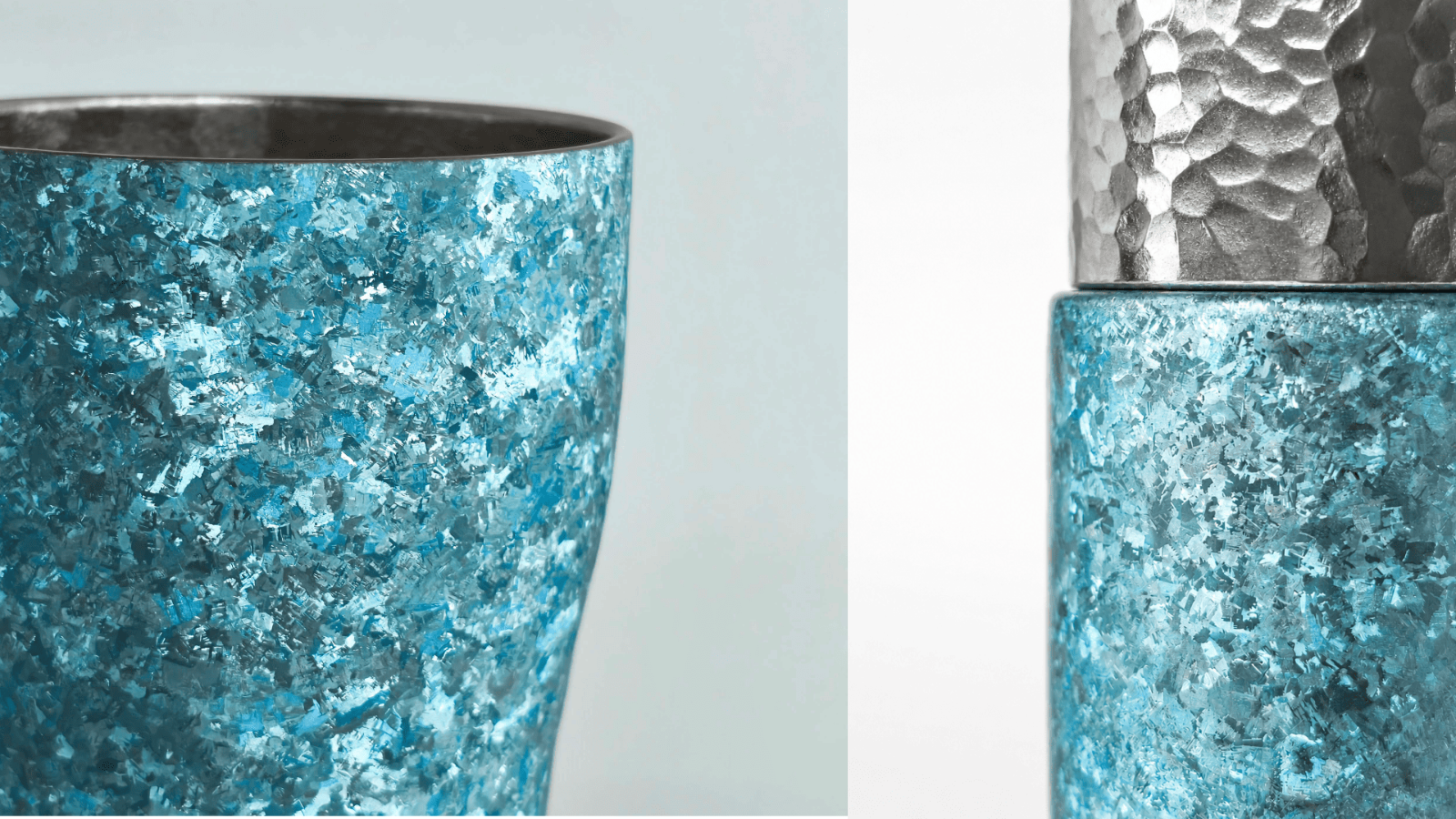
Crystallized Aluminum Alloy Surface
A frost-like metallic pattern created through controlled grain growth in aluminum alloy, rather than printed or coated on top.
What does this material add to product CMF design?
It gives aluminum an organic metallic texture, angle-dependent contrast and a more authentic material identity than bead blasting, brushing or printed effects.
Why is it useful for product differentiation?
Each part can carry a naturally varied grain pattern. The surface feels precise, premium and less generic without relying on a decorative coating.
Nanoimprint Lithography (NIL)
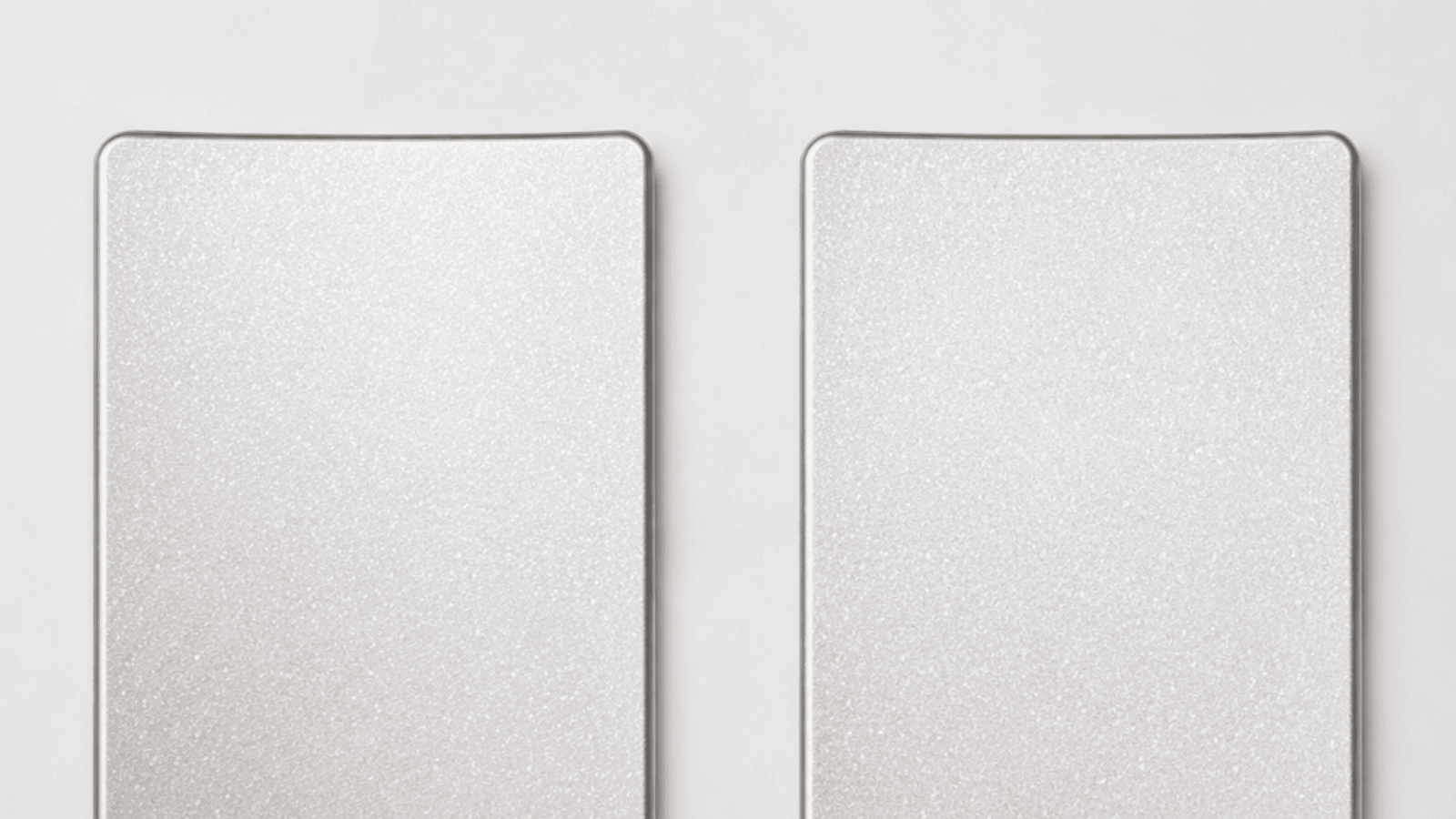
A high-precision surface process that uses micro- and nano-scale geometry to create structural color, gloss and visual gradients.
How does NIL create color without pigment?
The surface geometry guides refraction and diffraction. Color and gloss come from structure, not from paint, dye or a thick decorative layer.
When should a product team consider NIL?
Use it when a thin product surface needs precise optical effects, repeatable visual quality in production and angle-dependent surface depth.
Paint-Free Light-Shifting Polymer
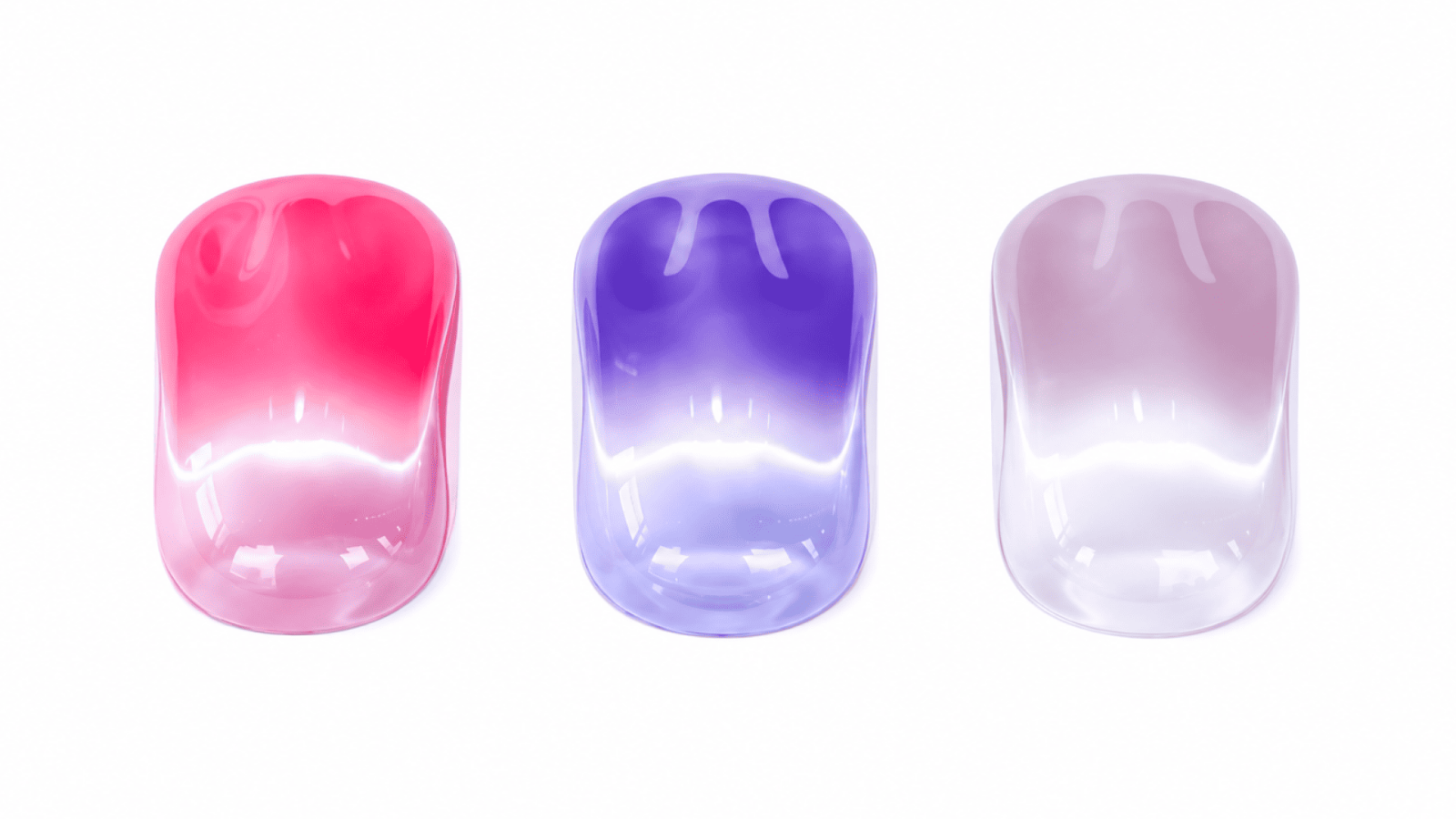
A polymer material that creates ribbon-like light bands through internal optical interference, without spray coating, electroplating or film lamination.
What is the benefit of a paint-free light-shifting polymer?
It can create flowing highlights directly within the material. The effect is formed during molding, so there is no coating layer to scratch or peel.
Can it reduce surface finishing complexity?
Yes. In suitable applications, it can replace some coating, plating or film processes while keeping a premium visual effect and a smooth tactile surface.
RF-Transparent Silicon Carbide Fiber Composite
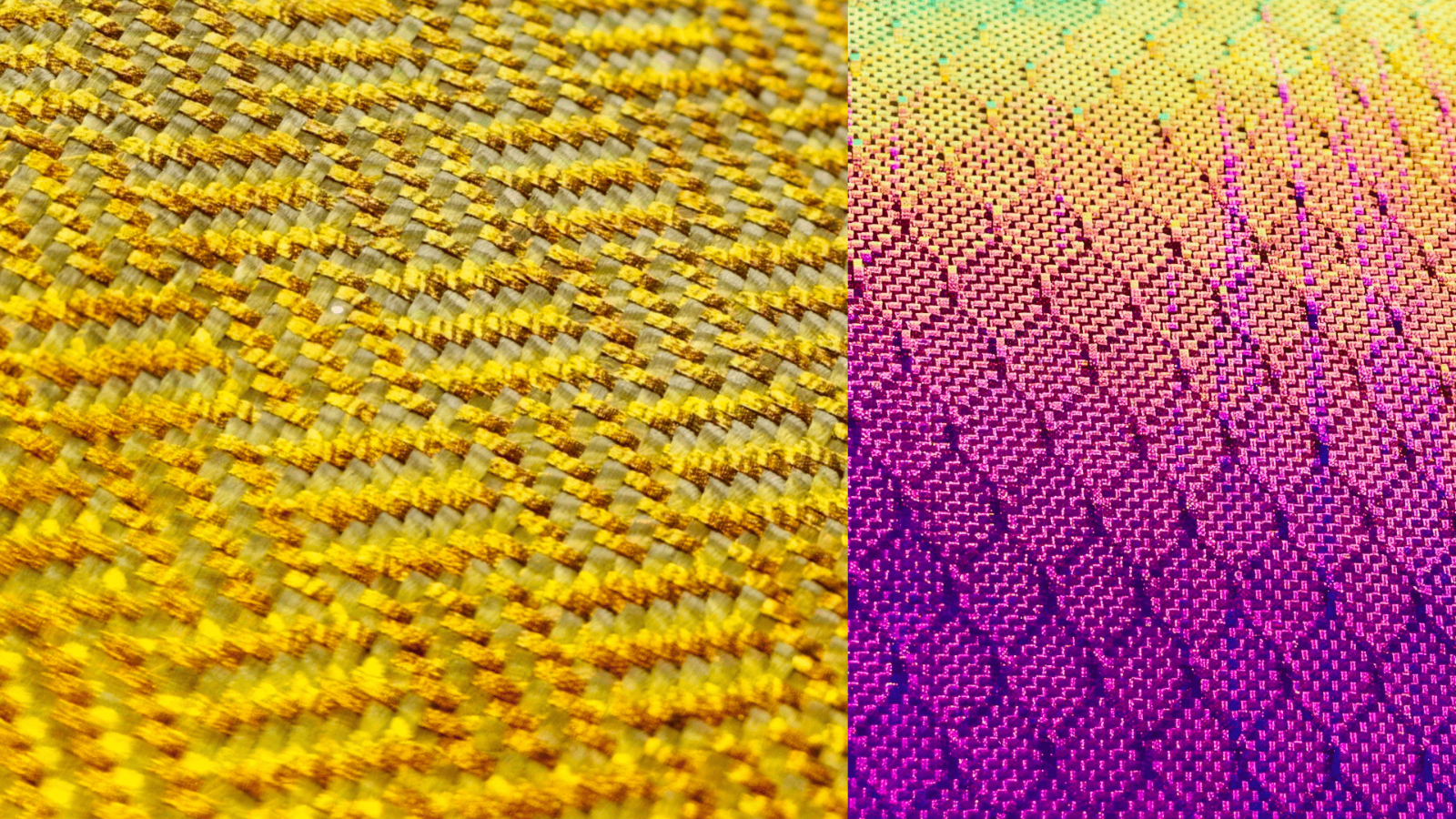
A ceramic fiber composite with a carbon-fiber-like woven appearance, high stiffness and high RF transmission.
Why look beyond traditional carbon fiber?
Conventional carbon fiber is conductive, which limits its use near antennas. This composite keeps a woven visual language while supporting high signal transmission.
Where can RF-transparent composites be used?
They can be explored for consumer electronics, AR/VR devices, laptops and wearables that need a carbon-fiber-like visual language without compromising signal performance.
From material sample to product-ready surface
TECHIC helps product teams identify surface material opportunities, translate CMF intent into supplier-ready specifications, coordinate sampling and prototype trials, and review production feasibility before a material route is locked.
How to access these materials and develop a product-ready surface
How can our team access the materials in this library?
Contact TECHIC with your product category, target application and design intent. We can check material availability, supplier suitability, sample options and feasibility based on the project context.
What forms of collaboration does TECHIC offer?
TECHIC can support material scouting, CMF strategy, sample development, supplier coordination, prototype validation and production implementation support. The scope can be a focused material search or a longer development program.
When should a product team involve TECHIC?
Before design freeze or tooling investment, when there is still room to compare material options, test surface effects and review production feasibility. TECHIC helps assess process route, yield, cost, quality control and scale-up risk before decisions are locked.