



Materials That Sense and Respond
A TECHIC Material Library article featuring supplier-backed material resources that respond to light, darkness and temperature, turning surface behavior into visible CMF expression for product design.
Three responsive surface routes driven by material behavior
These are not abstract trend references. They are supplier-backed material resources TECHIC can help review, sample, translate into supplier-ready CMF specifications and evaluate for production, covering photoluminescent leather, photochromic texture and thermochromic material routes.
Photoluminescent Synthetic Leather
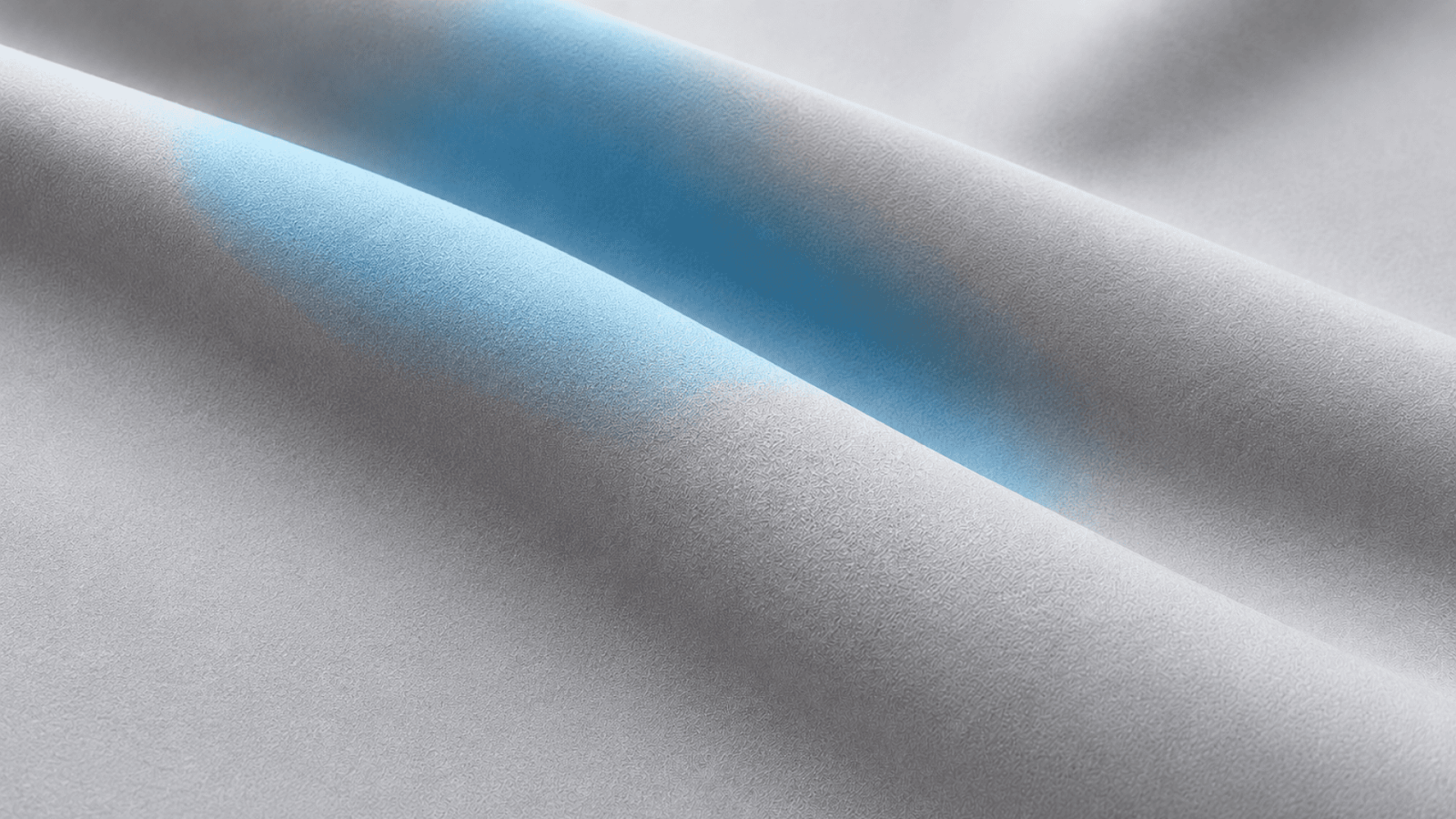
A smooth nonwoven synthetic leather that appears clean white in daylight and emits a soft blue glow after light exposure. It gives a product surface a daylight-to-low-light identity shift without batteries, LEDs or printed graphics.
Why would a CMF team consider this material?
It adds a functional after-dark behavior to an otherwise minimal white surface. For designers, the value is not only the glow itself, but the contrast between a quiet daytime finish and a visible low-light state created by the material rather than a device-level lighting system.
Where does it make the most sense?
It suits products that need a subtle technology cue, night-time recognition or a memorable reveal moment, such as bags, wearable products, consumer electronics accessories, automotive trim and lifestyle apparel. The main design question is whether the glow supports the product experience rather than feeling like a decorative add-on.

Photochromic Fluid Texture
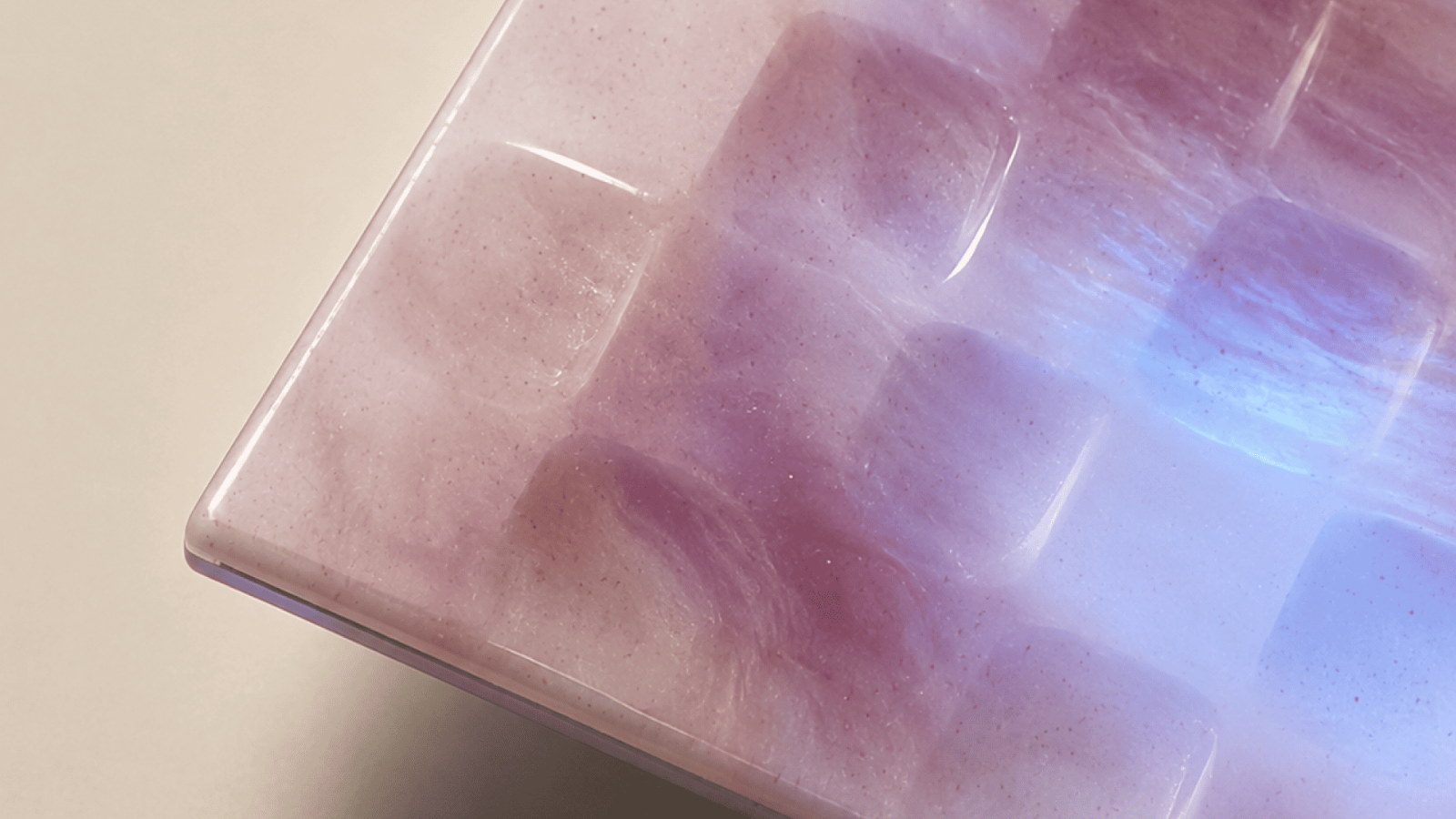
A photochromic surface concept that pairs UV-triggered color change with a translucent, stone-like fluid pattern. Indoors it reads as amber and semi-transparent; in sunlight it moves into saturated purple, blue, yellow or deep green color states.
How is this different from a standard decorative coating?
A standard decorative finish usually asks the surface to hold one look. This route builds in a second behavior: the fluid pattern gives depth, while UV response changes the color state in real use. It is useful when a brand wants the product to feel different indoors, outdoors or under changing light.
What should designers evaluate before specifying it?
The effect is reversible, but it should be tested in the target product context. Activation speed, UV exposure, fade-back time, substrate color, coating stack, durability and batch consistency all affect whether the final surface feels intentional and production-ready.
Thermochromic Material
A temperature-responsive color-change material that turns heat, cold or touch into visible feedback. It can make a surface communicate state or interaction without adding a screen, LED or mechanical indicator.
What should a product team know about the activation range?
Thermochromic systems are usually specified around a target activation temperature rather than used as a generic color-change effect. Common formulations can be tuned within roughly -15°C to 70°C, but the right threshold depends on how the user will touch, heat, cool or read the product in context.
How can it be used beyond a novelty effect?
The strongest applications give the color change a job: showing temperature, revealing user touch, indicating readiness or creating a controlled transition in a surface pattern. It can be developed through inks, coatings or injection-molded plastics, so early testing should include substrate, durability, color stability and manufacturing route.
From material sample to product-ready surface
TECHIC helps product teams identify surface material opportunities, translate CMF intent into supplier-ready specifications, coordinate sampling and prototype trials, and review production feasibility before a material route is locked.
Material scouting
We track emerging materials and manufacturing processes across China's supply chain.
CMF translation
We turn visual, tactile and brand intent into clear CMF specifications for suppliers.
Prototype validation
We coordinate material samples, prototype trials and product-context evaluation.
Production review
We review yield, process risk, quality control and scale-up feasibility before production.
How to access these materials and develop a product-ready surface
How can our team access the materials in this library?
Contact TECHIC with your product category, target application and design intent. We can check material availability, supplier suitability, sample options and feasibility based on the project context.
What forms of collaboration does TECHIC offer?
TECHIC can support material scouting, CMF strategy, sample development, supplier coordination, prototype validation and production implementation support. The scope can be a focused material search or a longer development program.
When should a product team involve TECHIC?
Before design freeze or tooling investment, when there is still room to compare material options, test surface effects and review production feasibility. TECHIC helps assess process route, yield, cost, quality control and scale-up risk before decisions are locked.