



When Light Becomes Part of the Surface
A TECHIC Material Library article featuring three supplier-backed CMF material routes that bring light, display behavior and ambient response into product surfaces: translucent silicone leather, light-guiding optical fiber and e-paper surface technology.
Three ways to build light into a product surface
These are not moodboard references. They are material routes TECHIC can help product teams review, sample, translate into supplier-ready CMF specifications and evaluate for production, covering backlit soft-touch surfaces, distributed light transmission and low-power surface display.
Translucent Silicone Leather
A silicone-based synthetic leather designed to let light pass evenly through the surface. It allows a panel, trim insert or charging area to behave as a soft, controllable light source while retaining a leather-like touch, grain and surface durability.
How does it transmit light without losing the leather feel?
The material uses a silicone polymer base with controlled surface structure and light transmission. For a CMF team, the useful point is the balance: the surface can remain soft, grained and tactile while allowing light to pass through in a more diffused, integrated way than a hard plastic light window.
Why would a product team consider it over a separate lighting detail?
It lets light appear through the material rather than around it. That makes it useful for calmer interior lighting, discreet functional cues and soft-touch zones where the surface still needs to feel premium in the hand. The design question is not only brightness, but whether the light behavior supports the product experience without making the surface feel electronic or decorative for its own sake.
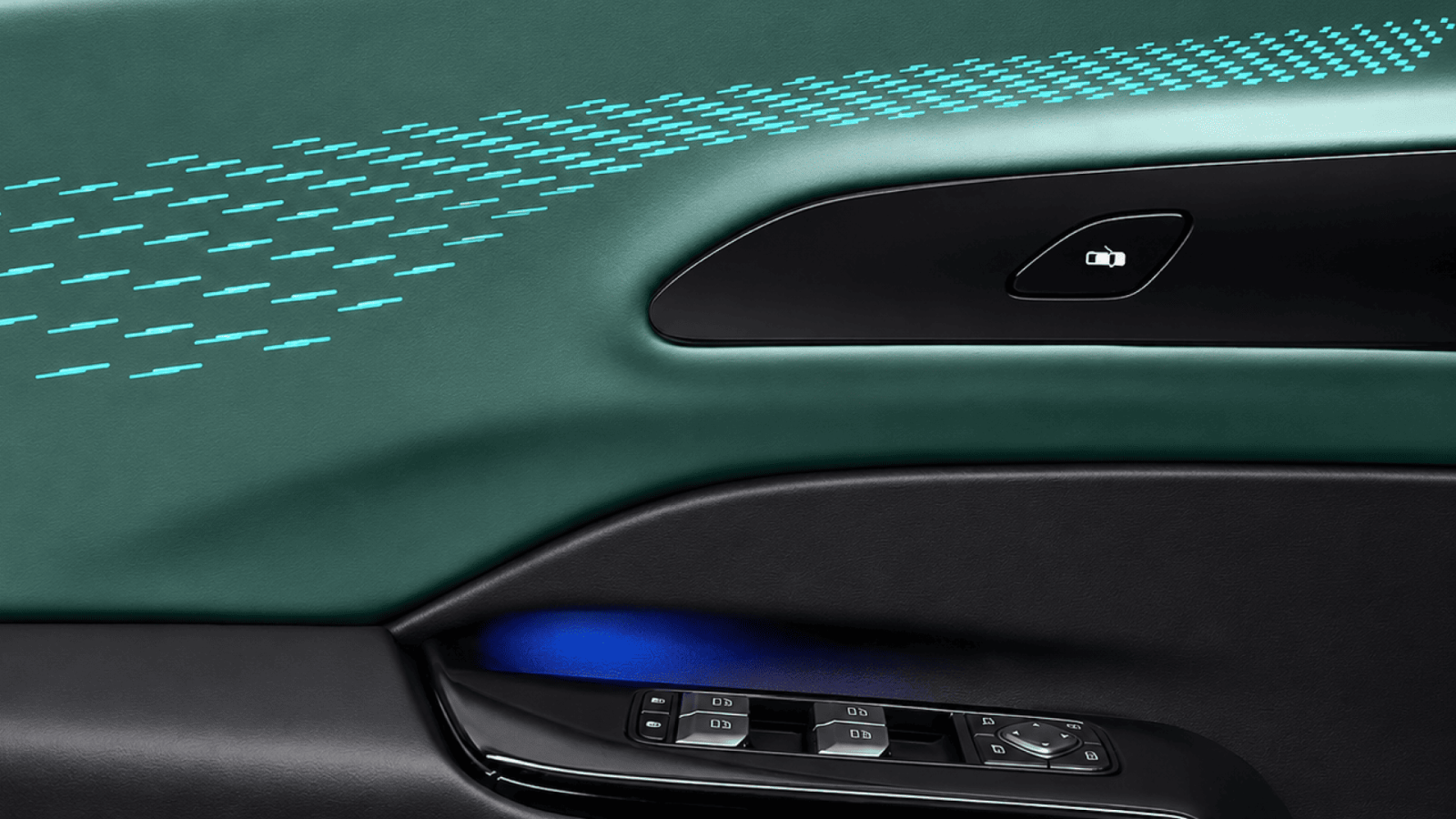
Light-Guiding Optical Fiber
A glass or polymer optical fiber route that carries light through total internal reflection and can be configured to release light along a defined path. In product surfaces, it can support illuminated patterns, edge glow, ambient cues and thin distributed lighting effects.
What is the CMF value of a light-guiding fiber route?
It allows light to be treated as a surface material, not just as an electronics component. A designer can work with line, density, spacing, weave, edge condition and brightness to create a more controlled visual language, whether the goal is a subtle orientation cue, a brand signature or a softer ambient effect.
Where does it make the most sense?
It is most relevant where a product needs thin, distributed or directional light rather than a visible lamp. Potential applications include trim panels, appliance interfaces, consumer electronics covers and interior feature areas. Before locking the route, teams should review bend radius, light uniformity, assembly method, heat management and how the fiber integrates with the final surface stack.

E-Paper Surface
A low-power electrophoretic display surface that uses an electric field to move charged pigment particles inside microcapsules. For product design, the opportunity is to give a surface a changeable color, pattern or information state without requiring continuous power.
Why is e-paper relevant to CMF, not only display design?
E-paper can hold a visual state with little to no power draw until the image changes. That makes it interesting for surfaces that need to shift identity, show low-frequency information or create a customizable finish without becoming a full emissive screen. It also offers a paper-like, low-glare visual character that sits closer to a surface material than a conventional display.
What should be validated before using it on a product surface?
The material is worth exploring for automotive, laptop, appliance and smart object surfaces where low-power personalization or status display has a clear use case. Key checks include color range, refresh speed, viewing conditions, bend tolerance, sealing, scratch resistance and how the display layer can be protected within the final surface construction.
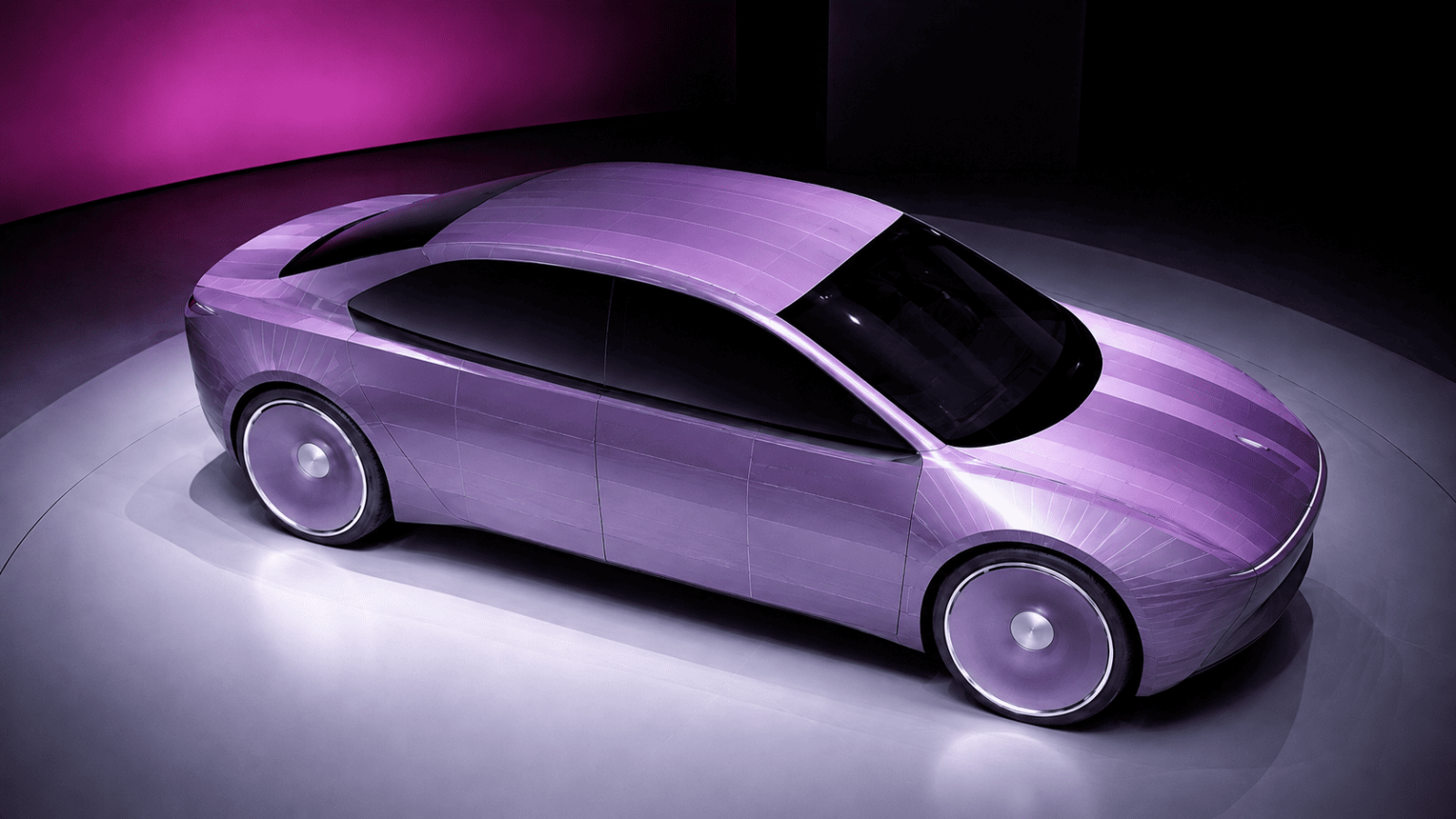
From material sample to product-ready surface
TECHIC helps product teams identify surface material opportunities, translate CMF intent into supplier-ready specifications, coordinate sampling and prototype trials, and review production feasibility before a material route is locked.
Material scouting
We track emerging materials and manufacturing processes across China's supply chain.
CMF translation
We turn visual, tactile and brand intent into clear CMF specifications for suppliers.
Prototype validation
We coordinate material samples, prototype trials and product-context evaluation.
Production review
We review yield, process risk, quality control and scale-up feasibility before production.
How to access these materials and develop a product-ready surface
How can our team access the materials in this library?
Contact TECHIC with your product category, target application and design intent. We can check material availability, supplier suitability, sample options and feasibility based on the project context.
What forms of collaboration does TECHIC offer?
TECHIC can support material scouting, CMF strategy, sample development, supplier coordination, prototype validation and production implementation support. The scope can be a focused material search or a longer development program.
When should a product team involve TECHIC?
Before design freeze or tooling investment, when there is still room to compare material options, test surface effects and review production feasibility. TECHIC helps assess process route, yield, cost, quality control and scale-up risk before decisions are locked.