
01 / IDENTITY
Brand Recognition
A distinctive system of color, material, texture, and detail makes the robot immediately recognizable.



We help shape what the next generation of robots will look and feel like—and make those ideas real.
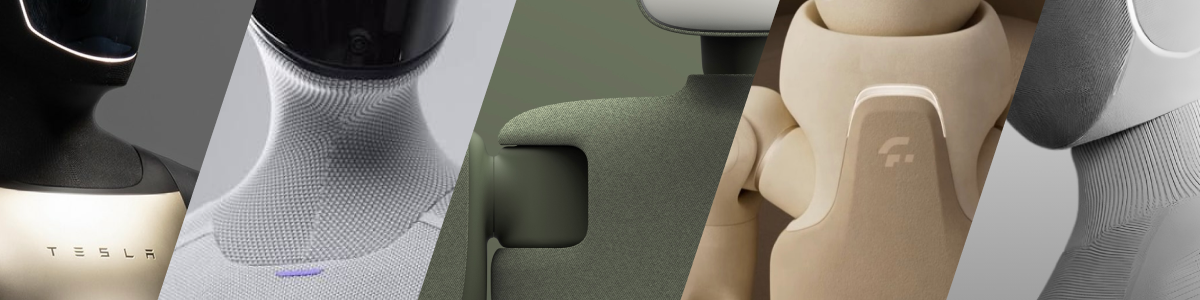
As robots enter everyday environments, their surfaces shape recognition, presence, approachability, and interaction.
A distinctive system of color, material, texture, and detail makes the robot immediately recognizable.
Proportion, form, softness, and surface expression shape the character the robot brings into a space.
Visual warmth and material softness can make advanced technology feel less distant and easier to approach.
Tactile and responsive surfaces shape how people understand, touch, and interact with the robot.
A differentiated concept only matters when it can work on the robot. We close the gap between an exciting exterior vision and a credible path to physical realization.
We evaluate ideas through the real behavior of materials—their flexibility, structure, finish, durability, forming process, and relationship with adjacent parts.
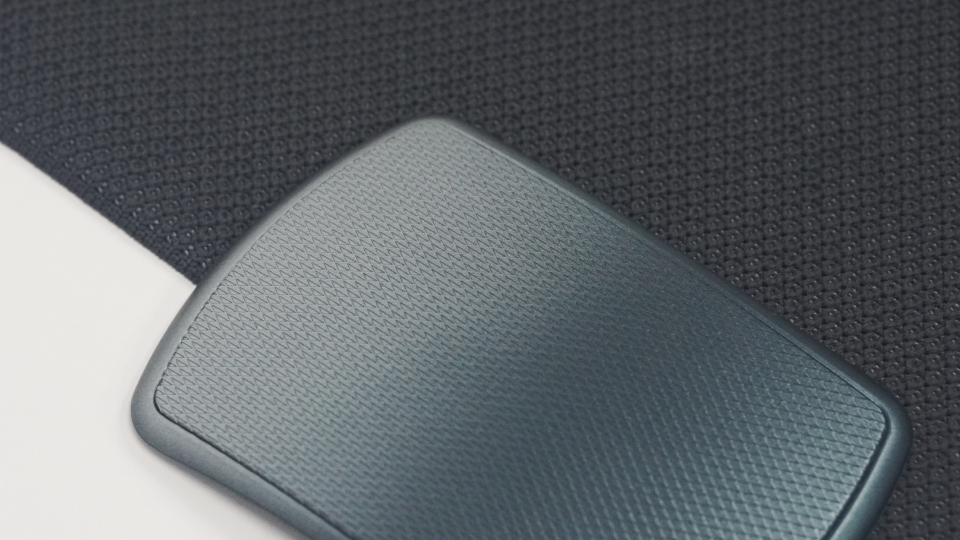
We consider how an exterior stretches, folds, clears joints, manages exposed areas, and maintains its intended form throughout movement.
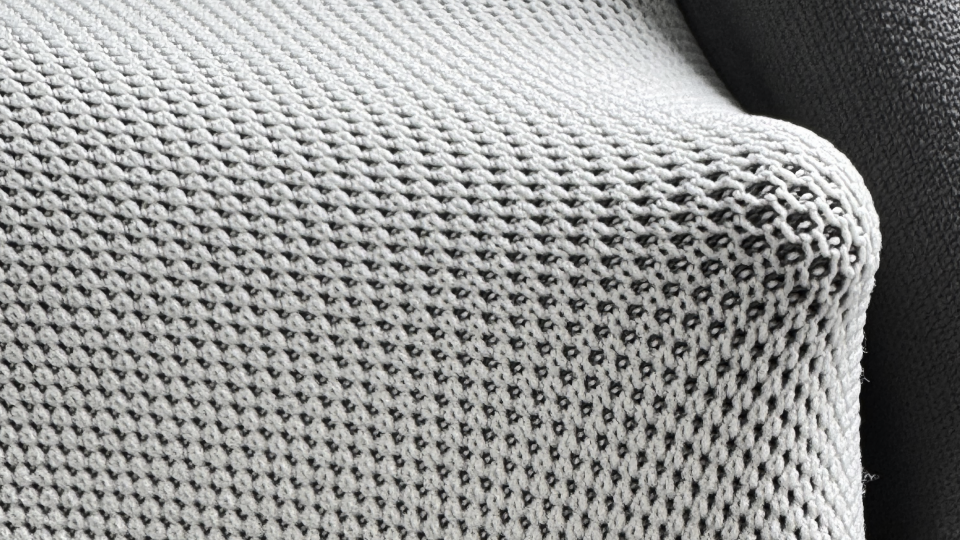
We develop the boundaries between flexible surfaces, rigid shells, and the mechanical body—often where the most difficult exterior problems appear.
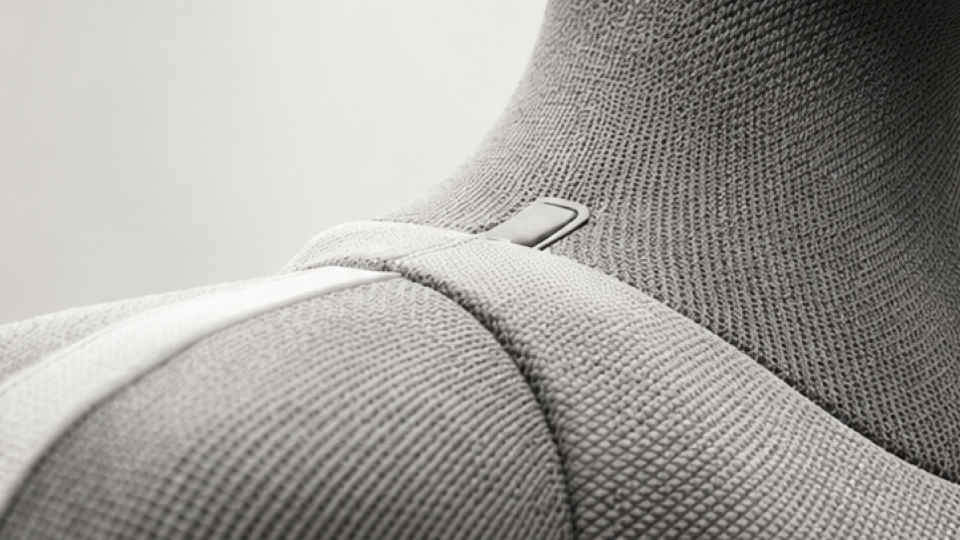
The next generation of robots does not need to look or feel like the machines we already know. New materials, structures, and surface experiences open up different ways to build identity, approachability, and interaction.
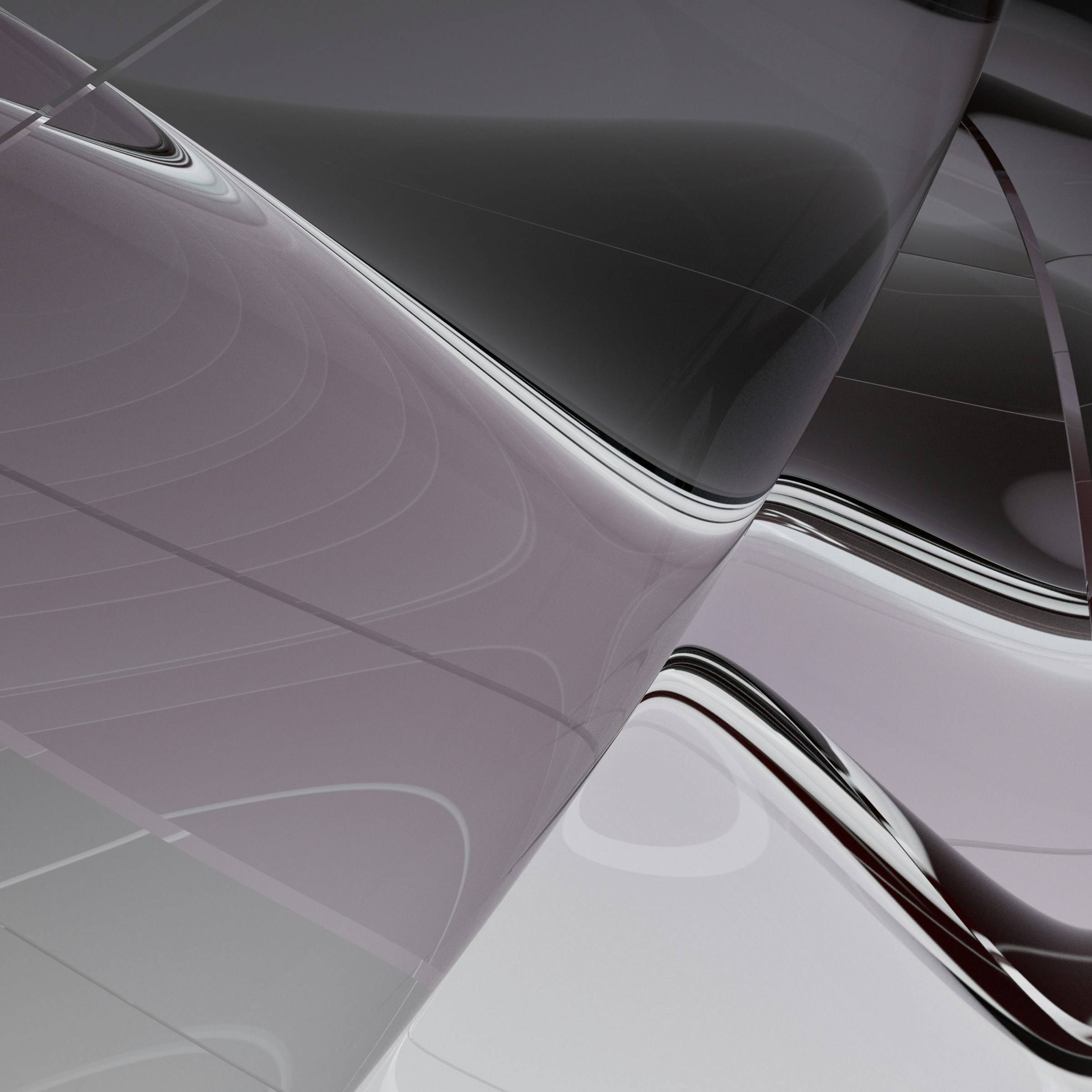
Metals, polymers, composites, molded parts, coatings, and precision finishes can create richer color, depth, reflection, and texture beyond conventional plastic shells.
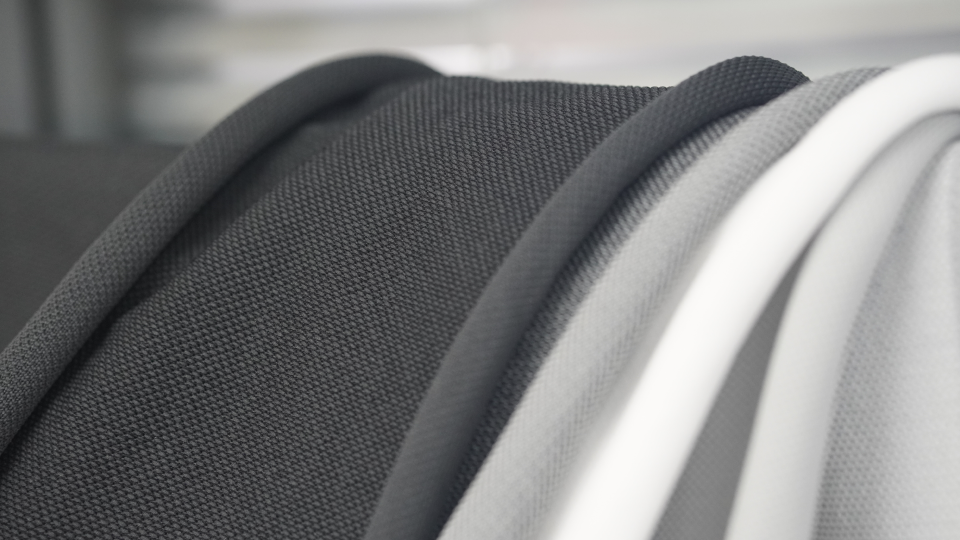
Flexible skins, technical textiles, and 3D knits can follow movement, introduce breathability, and soften the transition between mechanical parts and the body.

Silicone, elastomers, soft-touch finishes, and layered surfaces can give robots distinct tactile qualities—from reassuring softness to precise feedback.
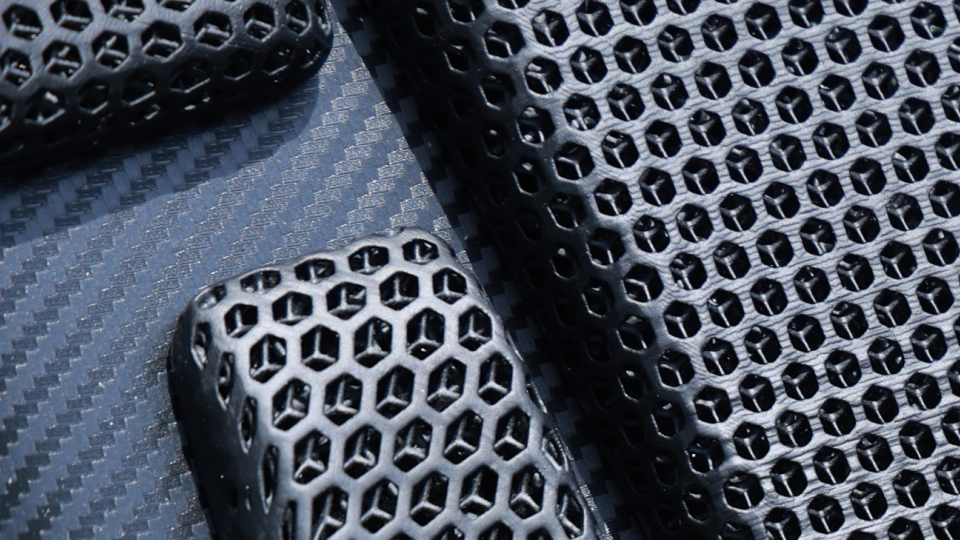
Cushioning, lattice, and flexible support structures can absorb impact, protect components, and create more organic volume beneath the outer surface.
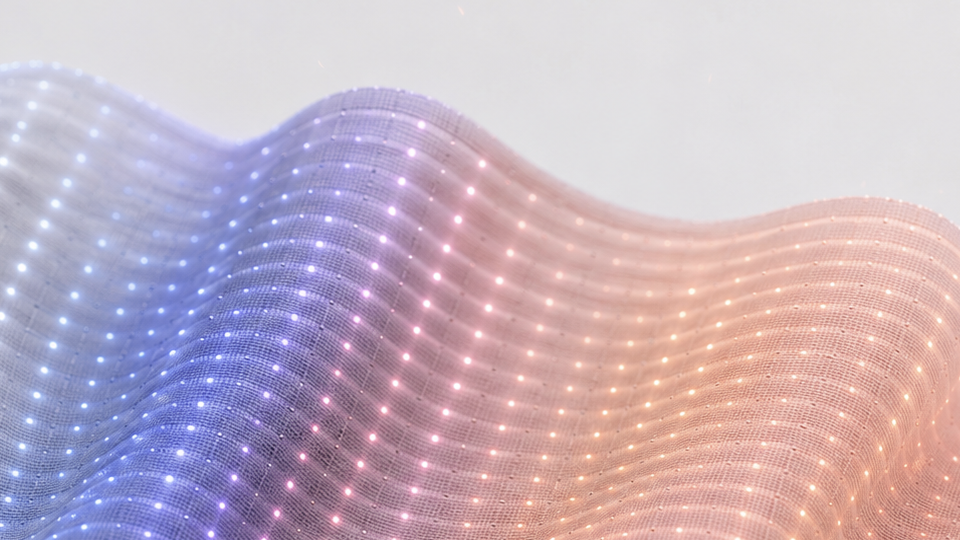
Touch, pressure, light, and embedded sensing can turn the surface into a responsive layer that communicates state and reacts to people.
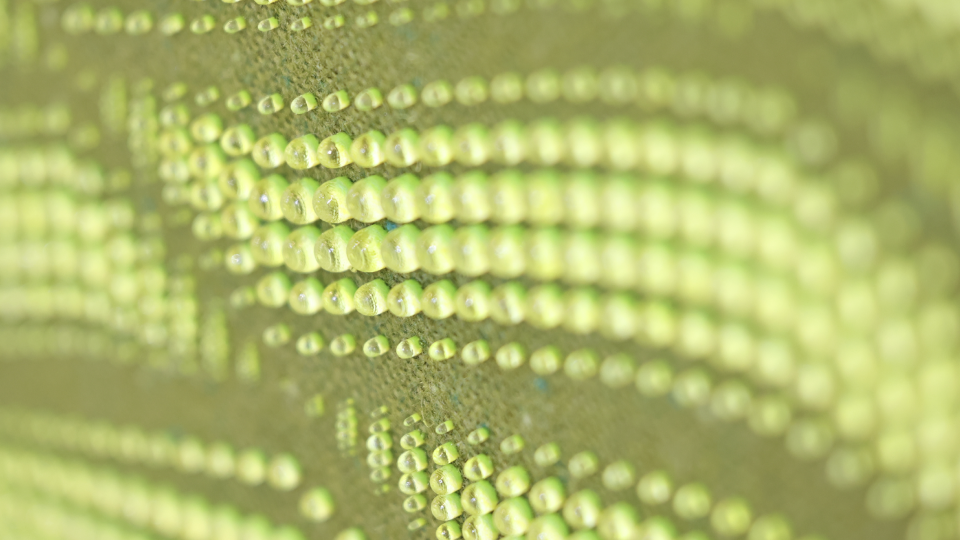
Color, material, light, texture, and detail can give a robot a recognizable expression and a character people can remember.
Because we understand materials deeply—and know what it takes to make them work—we bring greater certainty to bold robot exterior ideas.
Our ideas are grounded in material behavior, processes, physical samples, and engineering experience. This allows us to propose directions that are both distinctive and credible.
We identify material, movement, connection, and fabrication risks earlier—helping your team avoid blind iterations, repeated prototyping, and long cycles spent testing unsuitable directions.
We do not replace your internal design or engineering team. We complement it with specialized material insight, cross-industry experience, prototyping support, and access to relevant manufacturing resources.
Start a direct conversation with us about robotics R&D and material development collaboration.



Access exclusive CMF insights, expert-led workshops, and supplier network. Stay ahead with our trend reports.